By exploring
Children learn as they touch, observe, compare, experiment and investigate materials, spaces and the natural world around them.

At Malaika Garden Family Day Care, learning is part of the whole day. Children learn as they play, talk, create, move, investigate, help with routines and build relationships with the people around them. Our educators respond to each child’s interests, development, culture and individual way of experiencing the world.
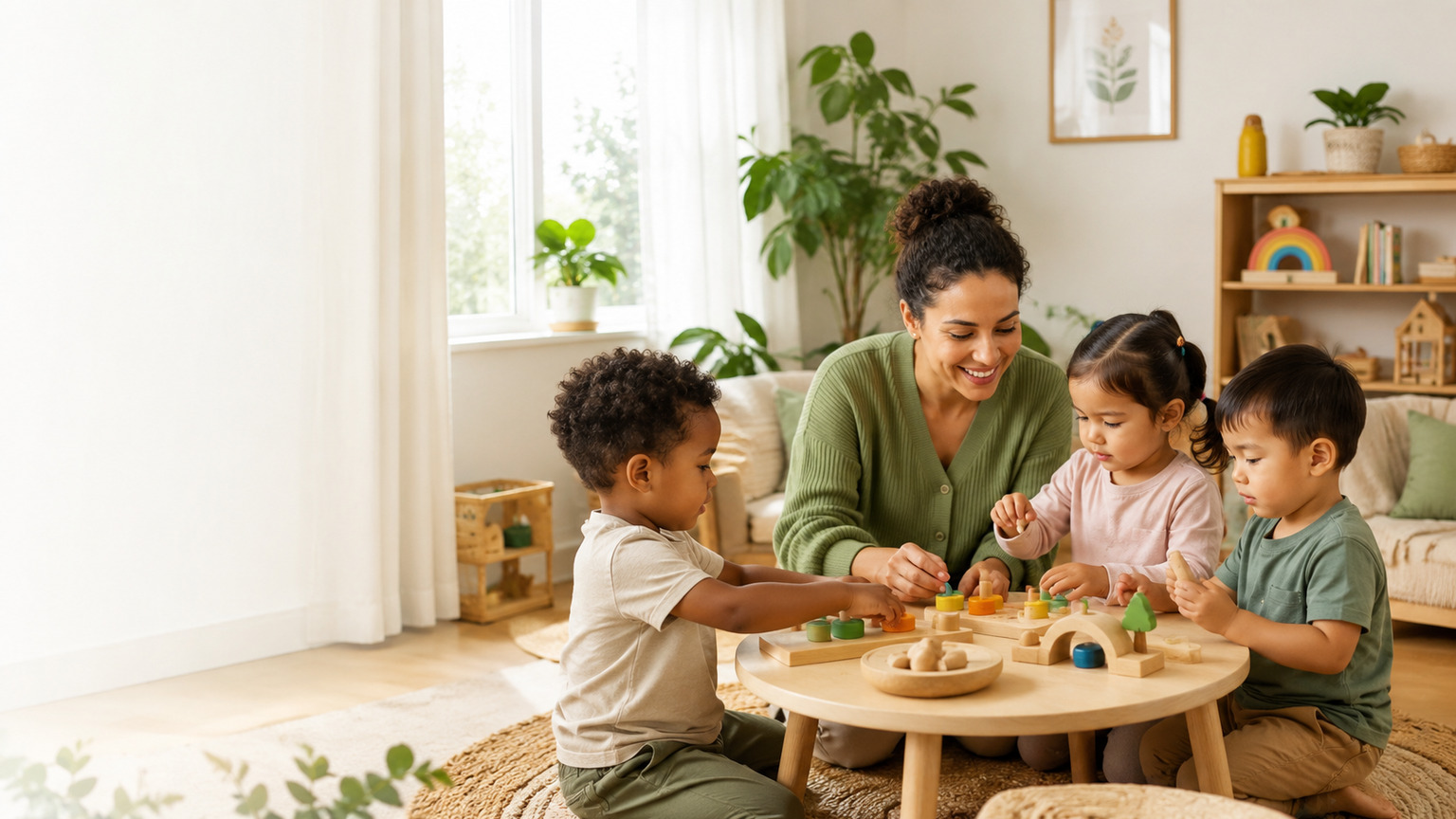
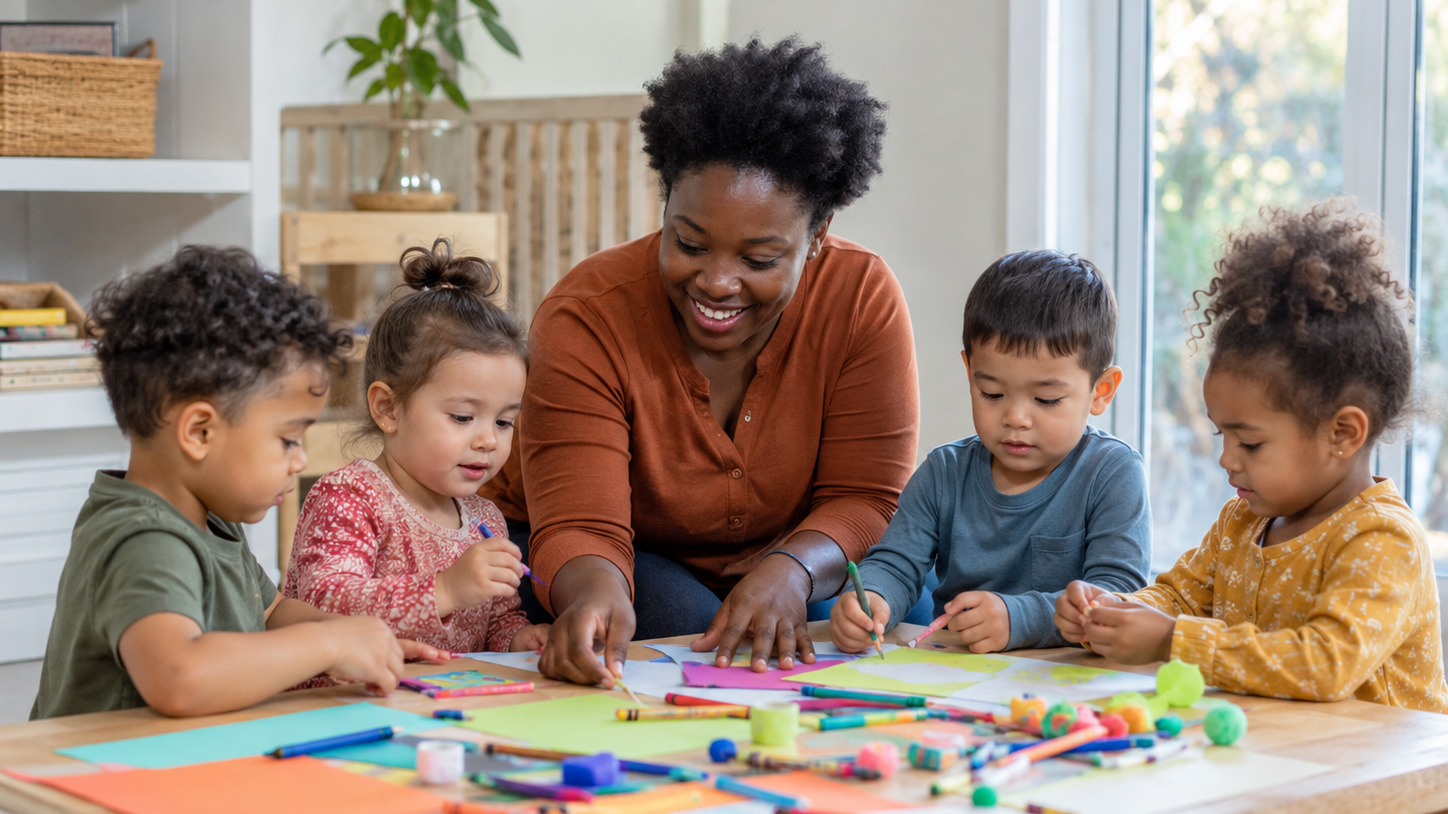
Children do not separate learning from the rest of their day. Learning happens as they build relationships, test ideas, repeat experiences, communicate with others and take part in the life of their care environment.
Children learn as they touch, observe, compare, experiment and investigate materials, spaces and the natural world around them.
Conversations, stories, gestures, songs and shared experiences strengthen language, understanding and confidence in expressing ideas.
Everyday activities such as preparing food, packing away and gardening help children build practical skills and independence.
Children often repeat an experience many times. Repetition allows them to refine movements, test new approaches and deepen their understanding.
A single experience can involve language, movement, problem-solving, imagination, emotional development and social learning at the same time.
Children do not separate learning from the rest of their day. Learning happens as they build relationships, test ideas, repeat experiences, communicate with others and take part in the life of their care environment.
Children learn as they touch, observe, compare, experiment and investigate materials, spaces and the natural world around them.
Conversations, stories, gestures, songs and shared experiences strengthen language, understanding and confidence in expressing ideas.
Everyday activities such as preparing food, packing away and gardening help children build practical skills and independence.
Children often repeat an experience many times. Repetition allows them to refine movements, test new approaches and deepen their understanding.
A single experience can involve language, movement, problem-solving, imagination, emotional development and social learning at the same time.
Play gives children the freedom to explore ideas that matter to them. Educators provide time, materials, questions and encouragement while allowing children to make choices, take reasonable challenges and direct parts of their own learning.
Role play, dress-ups and storytelling help children explore relationships, language, emotions and different perspectives.
Drawing, painting, music, movement and construction allow children to communicate ideas in many different ways.
Water, sand, natural materials, textures and movement support curiosity, coordination and investigation.
Puzzles, building and open-ended materials encourage children to plan, test, adapt and persist with their ideas.
Climbing, balancing, dancing and outdoor movement strengthen confidence, coordination and awareness of the body.
Playing alongside and with others creates opportunities to cooperate, negotiate, listen and manage emotions.
Play gives children the freedom to explore ideas that matter to them. Educators provide time, materials, questions and encouragement while allowing children to make choices, take reasonable challenges and direct parts of their own learning.
Role play, dress-ups and storytelling help children explore relationships, language, emotions and different perspectives.
Drawing, painting, music, movement and construction allow children to communicate ideas in many different ways.
Water, sand, natural materials, textures and movement support curiosity, coordination and investigation.
Puzzles, building and open-ended materials encourage children to plan, test, adapt and persist with their ideas.
Climbing, balancing, dancing and outdoor movement strengthen confidence, coordination and awareness of the body.
Playing alongside and with others creates opportunities to cooperate, negotiate, listen and manage emotions.
Children develop in different ways and at different times. Educators pay attention to what each child enjoys, what they are practising and where additional encouragement may help them move forward.
Educators observe children’s interests, questions, strengths, interactions, communication and emerging abilities during the day.
Information from families, previous experiences and the child’s cultural and personal context help build a fuller understanding.
Materials, conversations, environments and experiences are adapted to extend learning without forcing every child into the same activity.
Educators consider what engaged the child, what learning occurred and what opportunities could be offered next.
Children develop in different ways and at different times. Educators pay attention to what each child enjoys, what they are practising and where additional encouragement may help them move forward.
Educators observe children’s interests, questions, strengths, interactions, communication and emerging abilities during the day.
Information from families, previous experiences and the child’s cultural and personal context help build a fuller understanding.
Materials, conversations, environments and experiences are adapted to extend learning without forcing every child into the same activity.
Educators consider what engaged the child, what learning occurred and what opportunities could be offered next.
Children are more able to explore and participate when they feel secure, respected and understood. A consistent educator can become familiar with each child’s cues, communication and preferred ways of connecting.
Children are more willing to try unfamiliar experiences when a trusted adult is nearby to encourage and reassure them.
Responsive conversation helps children develop language, listening and confidence in expressing their needs and ideas.
Children learn to recognise feelings, seek help and gradually develop strategies for managing strong emotions.
Relationships with other children create opportunities to share, cooperate, solve disagreements and experience friendship.
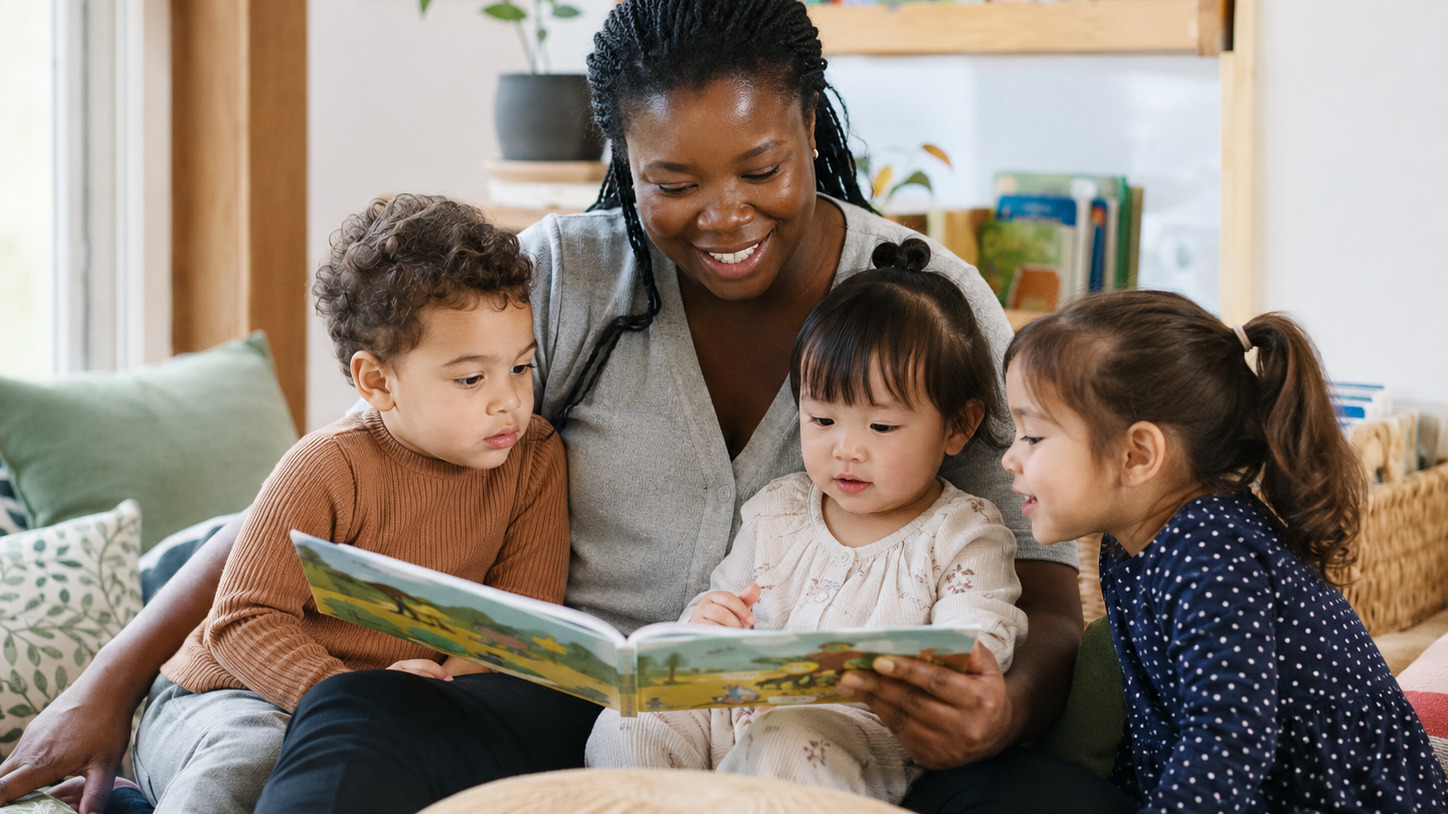
When children feel that they are known and accepted, they can direct more of their energy towards curiosity, participation, communication and discovery.
Children are more able to explore and participate when they feel secure, respected and understood. A consistent educator can become familiar with each child’s cues, communication and preferred ways of connecting.
Children are more willing to try unfamiliar experiences when a trusted adult is nearby to encourage and reassure them.
Responsive conversation helps children develop language, listening and confidence in expressing their needs and ideas.
Children learn to recognise feelings, seek help and gradually develop strategies for managing strong emotions.
Relationships with other children create opportunities to share, cooperate, solve disagreements and experience friendship.
When children feel that they are known and accepted, they can direct more of their energy towards curiosity, participation, communication and discovery.
Learning is not restricted to a table or a planned activity. A home-based care environment allows children to move naturally between indoor spaces, outdoor exploration and experiences connected with everyday community life.
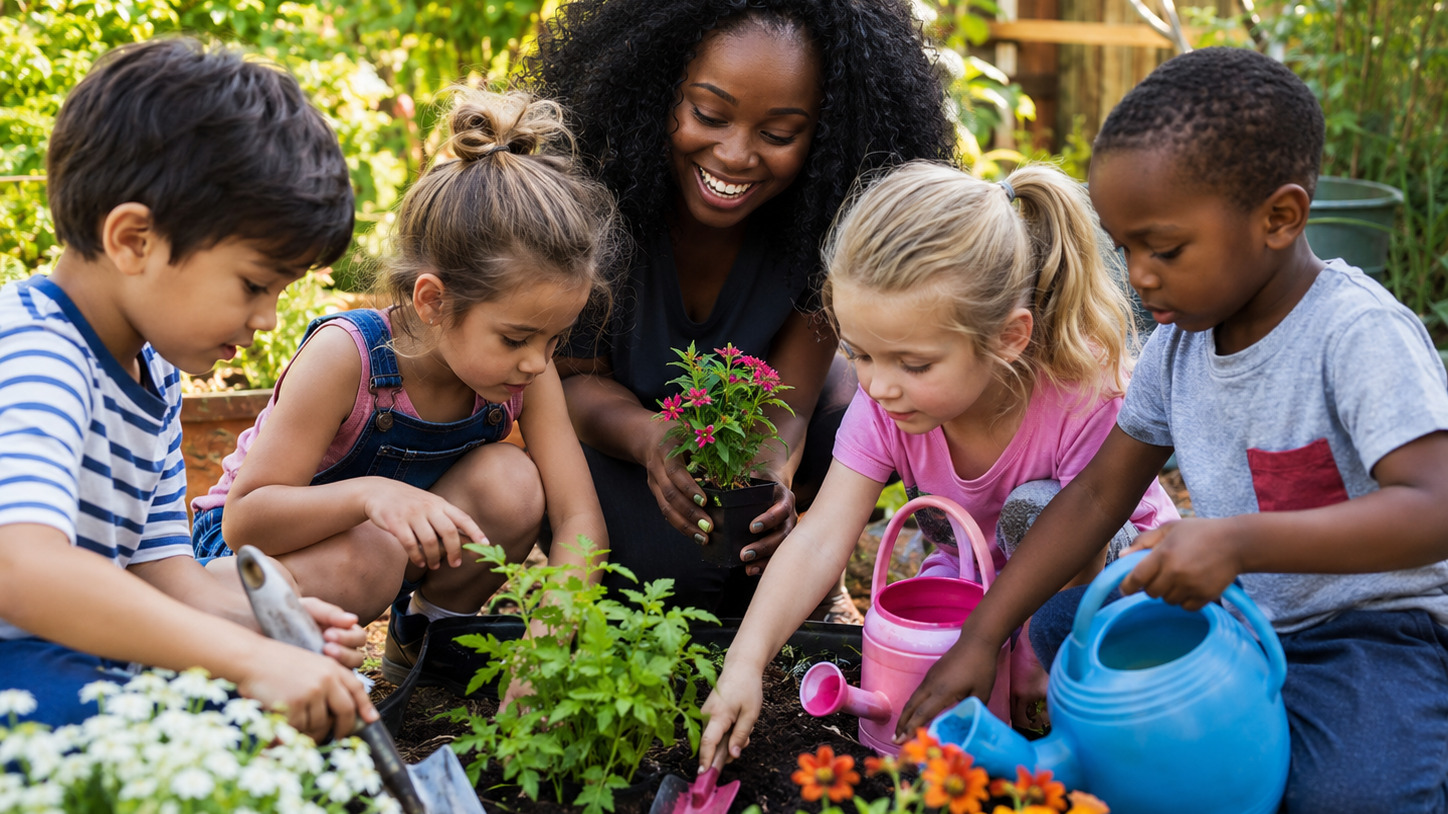
Books, creative materials, construction resources, music, puzzles and quiet spaces allow children to choose between active, social and focused experiences.
Gardens, water, sand, natural materials and active play create opportunities for physical development, scientific thinking and care for the environment.
Where appropriate, local walks, libraries, parks and community experiences can help children understand places, people, routines and their own sense of belonging.
Learning is not restricted to a table or a planned activity. A home-based care environment allows children to move naturally between indoor spaces, outdoor exploration and experiences connected with everyday community life.
Books, creative materials, construction resources, music, puzzles and quiet spaces allow children to choose between active, social and focused experiences.
Gardens, water, sand, natural materials and active play create opportunities for physical development, scientific thinking and care for the environment.
Where appropriate, local walks, libraries, parks and community experiences can help children understand places, people, routines and their own sense of belonging.
Children learn best when their identity is recognised and respected. Educators work with families to understand each child’s language, culture, family relationships, abilities, routines and individual support needs.
Children’s names, family relationships and personal histories are treated as meaningful parts of who they are.
Home languages are valued, and families can share familiar words, songs and ways of communicating with the educator.
Stories, food, music, celebrations and everyday practices can reflect the cultures represented within the care community.
Experiences can be adjusted to help children participate in ways that reflect their strengths and individual support needs.
Children benefit from seeing that families, homes, relationships and life experiences can be different and equally valued.
It is reflected in how children are welcomed, how materials are selected, how families are heard and how educators respond to each child’s individual experience.
Children learn best when their identity is recognised and respected. Educators work with families to understand each child’s language, culture, family relationships, abilities, routines and individual support needs.
Children’s names, family relationships and personal histories are treated as meaningful parts of who they are.
Home languages are valued, and families can share familiar words, songs and ways of communicating with the educator.
Stories, food, music, celebrations and everyday practices can reflect the cultures represented within the care community.
Experiences can be adjusted to help children participate in ways that reflect their strengths and individual support needs.
Children benefit from seeing that families, homes, relationships and life experiences can be different and equally valued.
It is reflected in how children are welcomed, how materials are selected, how families are heard and how educators respond to each child’s individual experience.
Preparation for school and later learning is broader than teaching children to complete formal tasks. Children benefit from developing confidence, communication, independence, curiosity and the ability to participate with others.
Taking responsibility for belongings, routines, self-care and manageable choices with appropriate adult support.
Listening, asking questions, sharing ideas and developing confidence in communicating needs and experiences.
Joining activities, forming relationships, cooperating and beginning to resolve everyday social challenges.
Enjoying stories, recognising symbols, exploring drawing and writing, and understanding that print carries meaning.
Using numbers, patterns, shapes, measurement and comparison during play, routines and practical experiences.
Curiosity, persistence, creativity, confidence and willingness to try different approaches when something is challenging.
Preparation for school and later learning is broader than teaching children to complete formal tasks. Children benefit from developing confidence, communication, independence, curiosity and the ability to participate with others.
Taking responsibility for belongings, routines, self-care and manageable choices with appropriate adult support.
Listening, asking questions, sharing ideas and developing confidence in communicating needs and experiences.
Joining activities, forming relationships, cooperating and beginning to resolve everyday social challenges.
Enjoying stories, recognising symbols, exploring drawing and writing, and understanding that print carries meaning.
Using numbers, patterns, shapes, measurement and comparison during play, routines and practical experiences.
Curiosity, persistence, creativity, confidence and willingness to try different approaches when something is challenging.
Families know their children in ways that no educator can replace. Information from home helps educators understand children’s interests, routines, comfort, culture, communication and current experiences.
Families and educators can share information about wellbeing, routines, experiences and anything that may affect the day.
Families can identify interests, strengths or areas where they would like their child to receive additional encouragement.
Educators can share observations, stories, photographs and information about meaningful experiences and emerging learning.
Ongoing conversations allow families and educators to consider what is working and whether any part of the arrangement needs to change.
Families know their children in ways that no educator can replace. Information from home helps educators understand children’s interests, routines, comfort, culture, communication and current experiences.
Families and educators can share information about wellbeing, routines, experiences and anything that may affect the day.
Families can identify interests, strengths or areas where they would like their child to receive additional encouragement.
Educators can share observations, stories, photographs and information about meaningful experiences and emerging learning.
Ongoing conversations allow families and educators to consider what is working and whether any part of the arrangement needs to change.
Speak with Malaika Garden about the care your family needs. We can explain how Family Day Care works, discuss available educator options and help you consider an environment that supports your child’s wellbeing, interests and development.
Begin with a simple enquiry about your child, preferred location, care days and intended commencement date.
Speak with Malaika Garden about the care your family needs. We can explain how Family Day Care works, discuss available educator options and help you consider an environment that supports your child’s wellbeing, interests and development.
Begin with a simple enquiry about your child, preferred location, care days and intended commencement date.